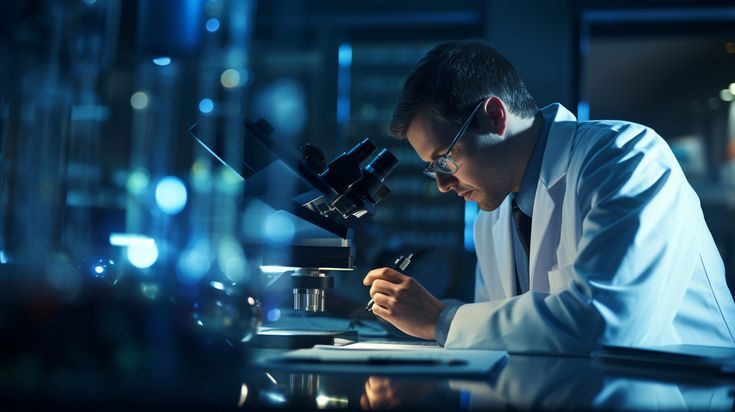
The microscope has long been a symbol of scientific discovery and medical diagnostics. Today, this classic tool is being reinvented with cutting-edge technology to meet the evolving needs of modern laboratories, enhancing precision, usability, and connectivity.
From Optical to Digital Microscopes
Traditional optical microscopes relied solely on lenses and manual adjustments. Modern microscopes, however, integrate digital cameras, high-definition displays, and software analytics to provide clearer, faster, and more detailed observations.
Key Features of Modern Microscopes
High-Resolution Imaging: Enables detailed visualization of cells and microorganisms.
Automated Focusing: Reduces user error and speeds up examination.
Connectivity: Images and data can be shared instantly with colleagues anywhere via cloud platforms.
3D Imaging and Analysis: Advanced models allow for three-dimensional views, offering deeper insight into sample structure.
Greater Efficiency: Automation speeds up routine tasks, allowing staff to focus on complex analyses.
Remote Collaboration: Enables expert consultations without the need for physical sample transport.
The Future of Microscopy in Labs
With AI integration and real-time image processing on the horizon, microscopes will become even more powerful tools in diagnostics, research, and education.
Reinterpreting the classic microscope with modern technology ensures this vital instrument remains at the forefront of medical science. It combines tradition with innovation to provide precise, efficient, and connected diagnostic capabilities.